Our Heritage
What are the mounds that are dotted around the estate??

In May 2026 a team from UCL Institute of Archaeology conducted excavations on the estate. Their aim was to discover what remains of the large underground air raid shelters built on the estate around the start of the Second World War, when it became clear that London would be targeted by Nazi bombers. Shelters came in many different types. ‘Anderson’ shelters were small metal structures designed to be buried in gardens. Basements were reinforced with timber and steel props. In a few places like Ramsgate enormous deep shelters were dug into the bedrock. In London, underground stations were famously used to shelter thousands.
The shelters on the Rockingham Estate were built by London County Council between 1938 and 1940, and together they could hold more than 2000 people. During the war they provided protection to residents as bombs and missiles rained down on Southwark. During the heaviest raids in 1940 and 1941 shelters became a second home for many, with families bringing down bedding and food. Some residents of the estate served as volunteer Shelter Wardens, responsible for keeping the shelters clean and secure, and for keeping people’s spirits up during air raids. When the war ended, the shelters were closed up and mostly forgotten.
The archaeologists arrived with questions: what was the design and layout of the shelters? How were they built? And most importantly – how many of them are still there, under the grass of the Estate? There are at least seven areas on the estate where shelters can be seen: large raised areas, squares or rectangles, clearly visible under the grass. The excavations focused on two areas off Bath Terrace: one enclosed on three sides by Stephenson House, and the other between Banks House and Brunlees House. In both of these areas, the archaeologists dug trenches to reveal the concrete roofs and walls of the shelters. They were also looking for staircases and emergency exits that would allow them to see inside. The roofs of the shelters were just 30-50cm below the grass. The thick concrete had been painted with tar to help keep water out of the shelters. The sides of the shelters were lined with cinder block panels, probably used to line the foundations before the concrete was poured to form the walls. In the months before the Second World War, shelters were built in a great hurry, with few records of how, when, or where they were built: archaeology can begin to answer those questions. In the soil above the shelters the archaeologists found traces of the Rockingham community: coins from the 1940s to the 2000s, a toy car, and crisp packets from the 1970s. They also found a chipped flint tool, a relic of prehistoric London. For UCL archaeology students this was their first encounter with the archaeology of everyday life. In three places the excavators found entrance staircases leading down into the shelter, but they had been sealed up very securely with concrete. In the last days of the dig they uncovered a concrete slab sealing an emergency exit on the shelter between Banks and Brunslees – and it moved. Carefully they lifted it up and found a rusty metal ladder leading down into the darkness. For safety reasons it was not possible to access the shelter, but a camera lowered down into the structure revealed a large open space with concrete pillars supporting the roof, traces of electrical fittings on the walls, and stalactites hanging from the ceiling. The Second World War is at the very edge of living memory, and there is plenty still to learn about air raid shelters and the wartime history of the Rockingham Estate. It is important that shelters are preserved and made accessible as heritage sites so that people can learn about the lives and experiences of Londoners during the Second World War.
UCL Institute of Archaeology is grateful to the Rockingham Estate Tenants and Residents Association for partnering to study the shelters, and to Southwark Council for permissions and support.
https://youtu.be/JcrK1C3ydcI
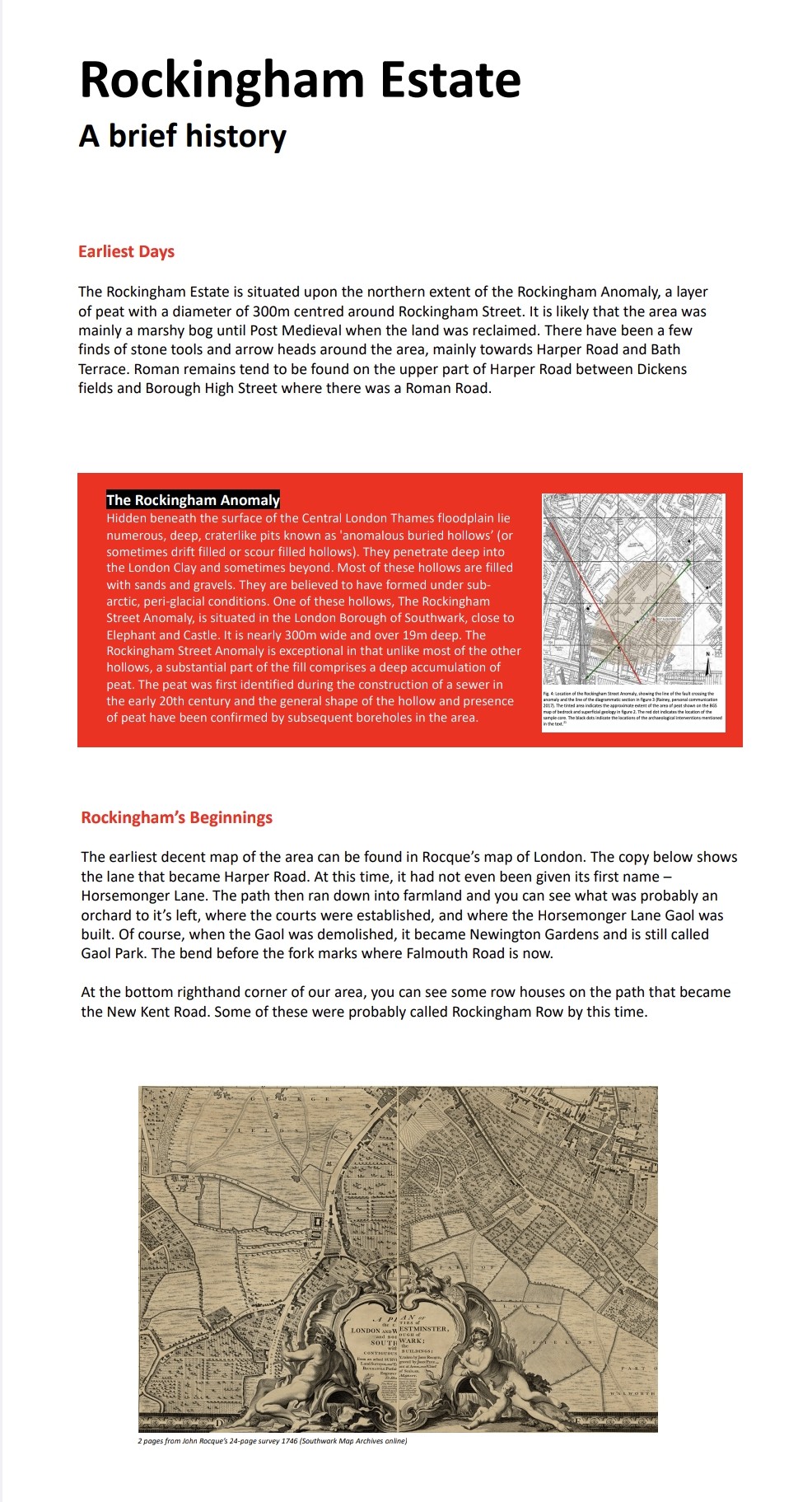
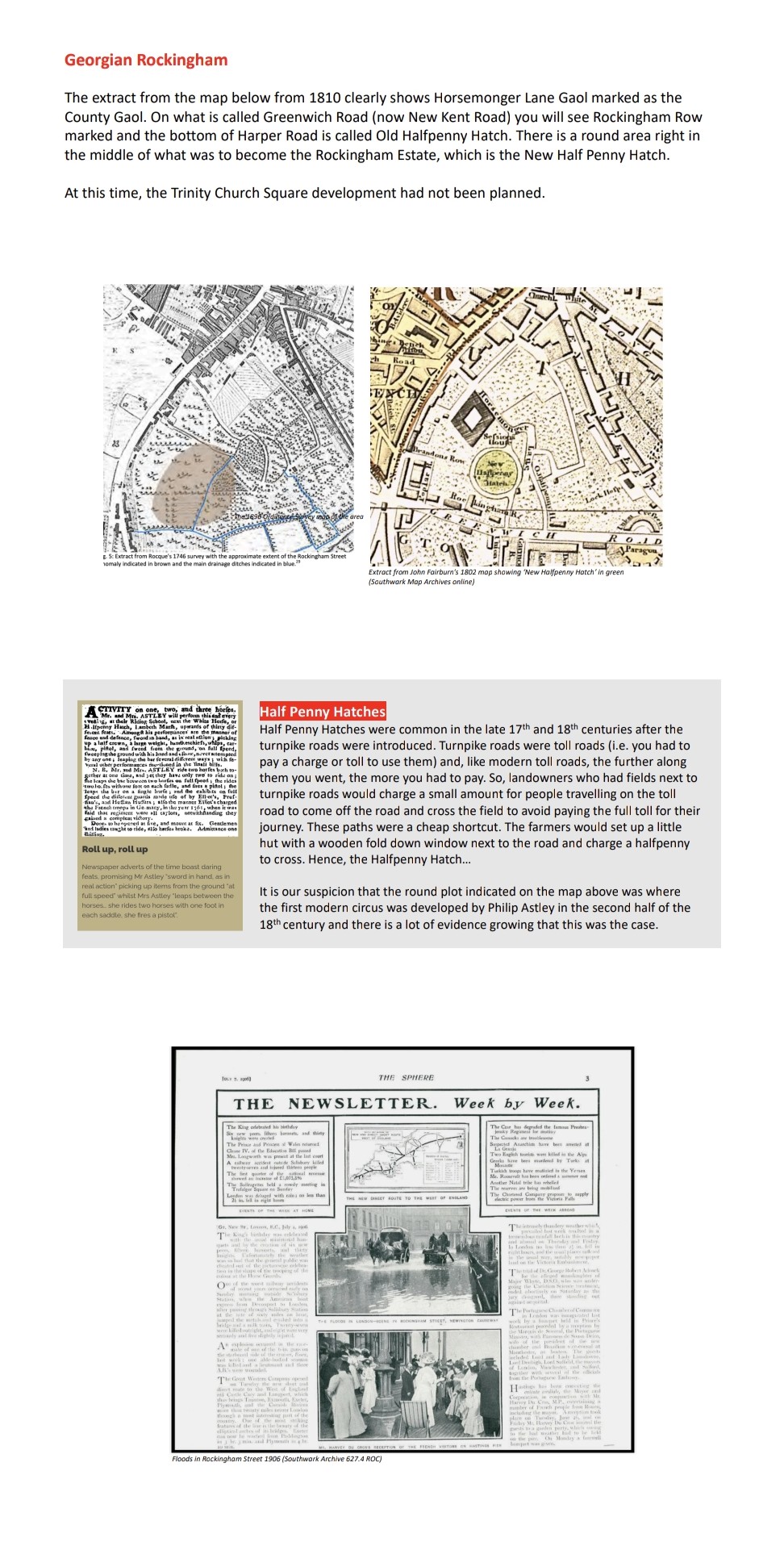
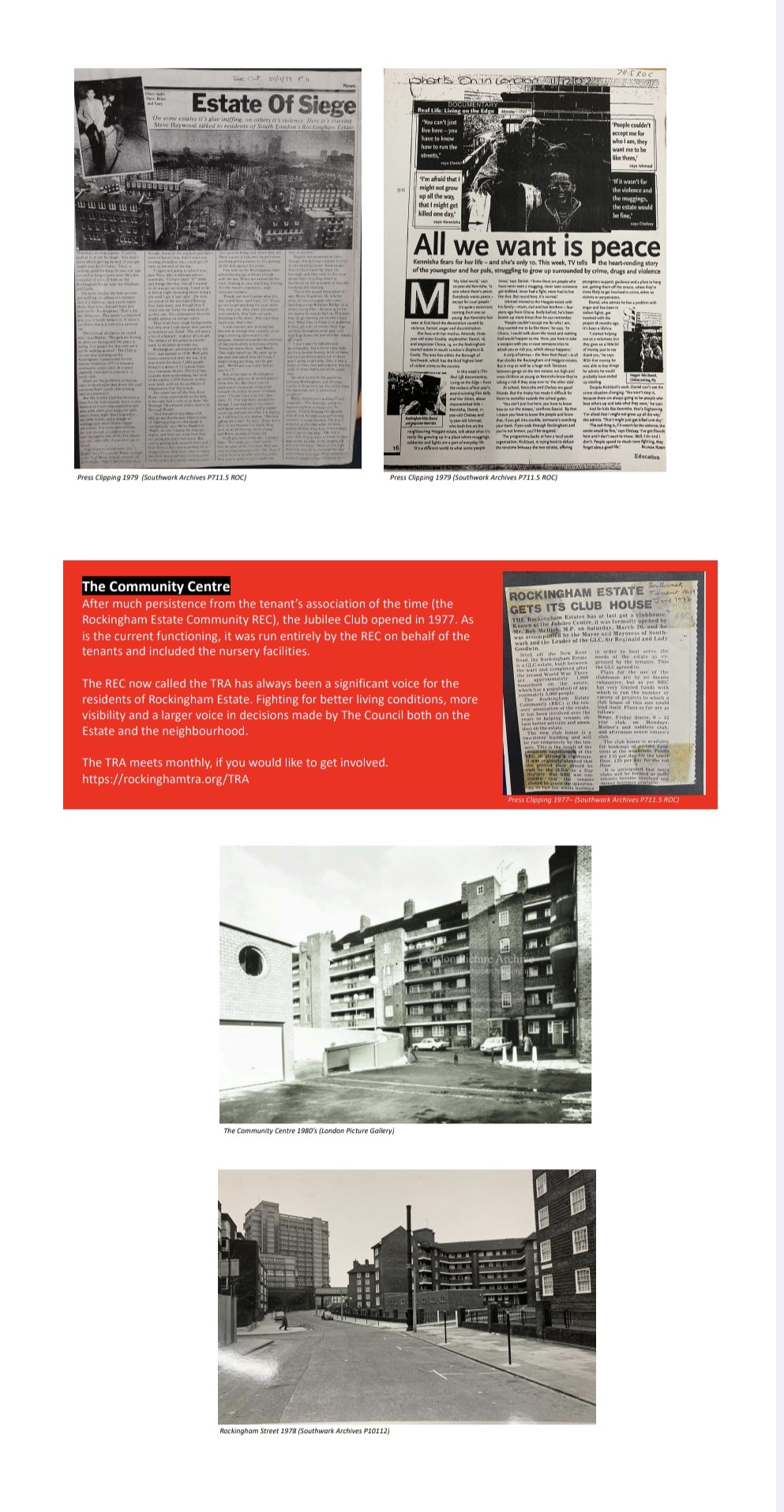
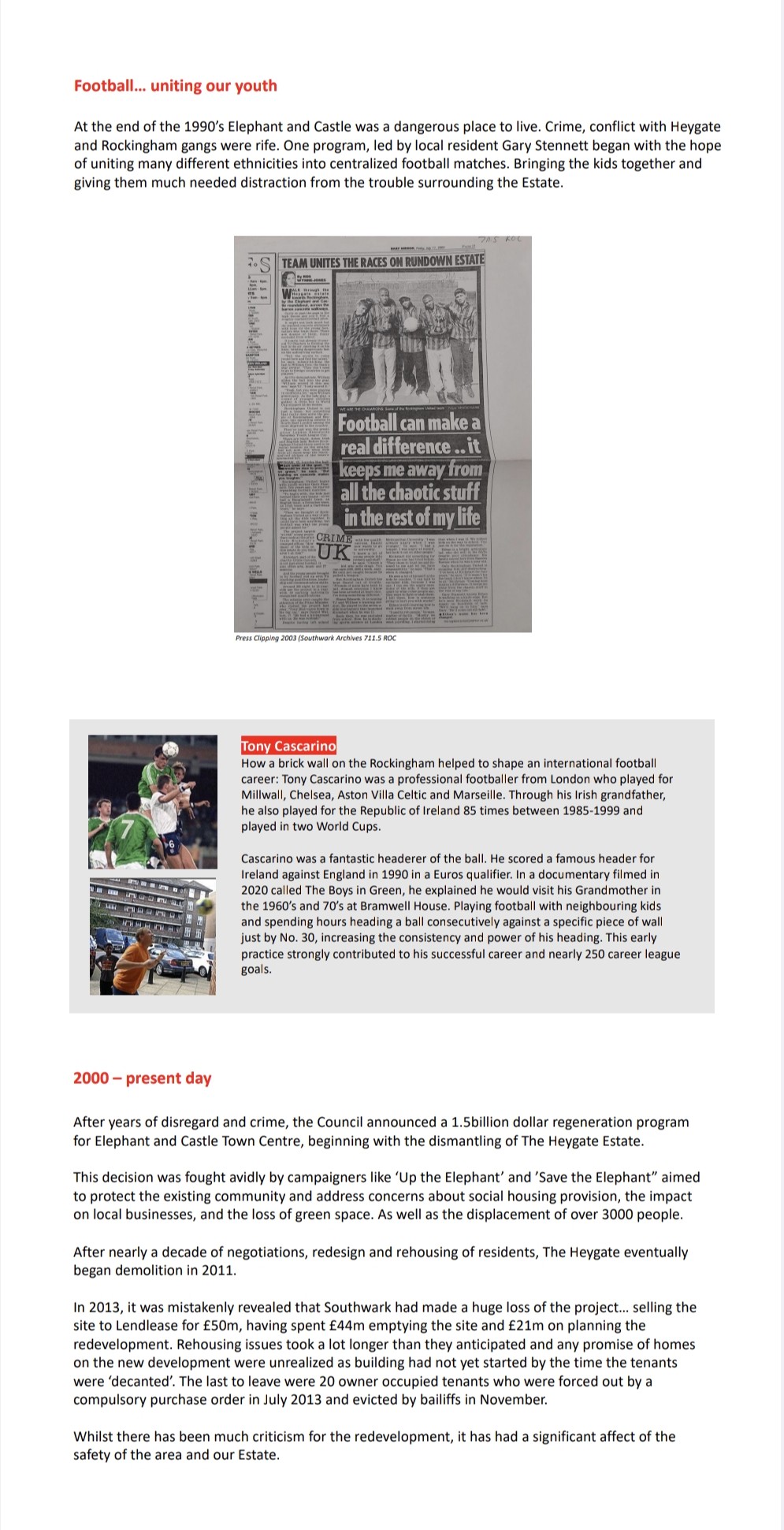
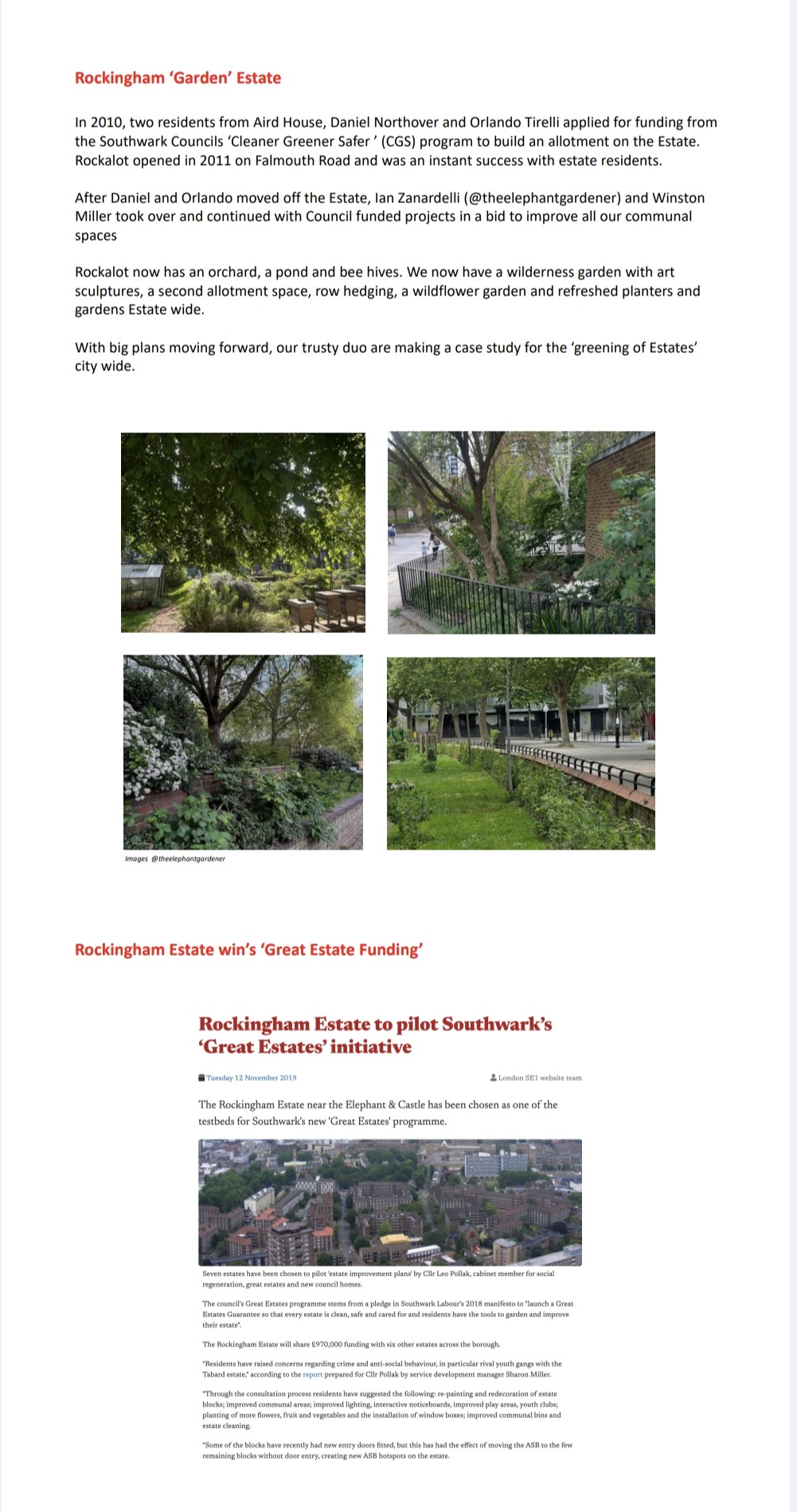
Created for RockiFest to celebrate the estate’s 90th birthday, Rockingham TRA present the history of the area:
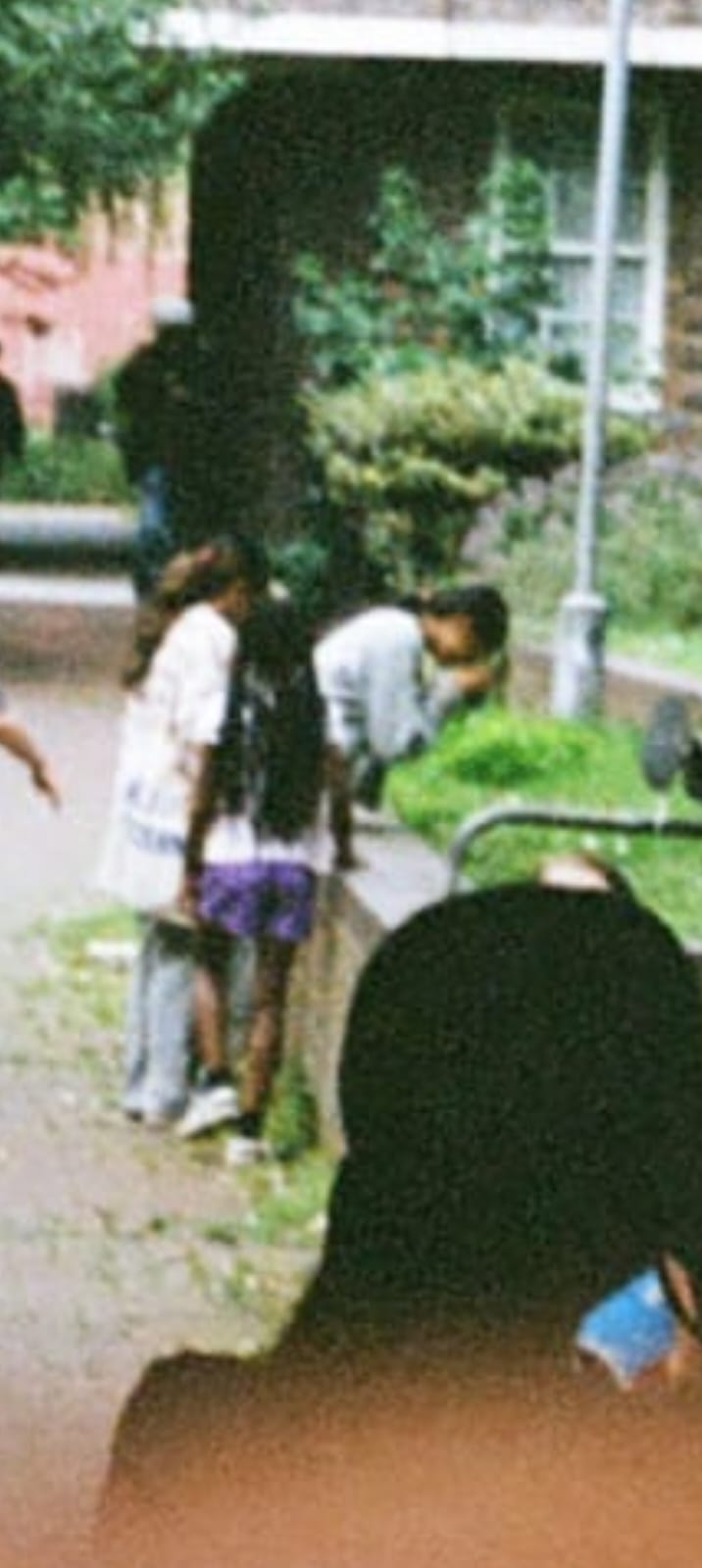
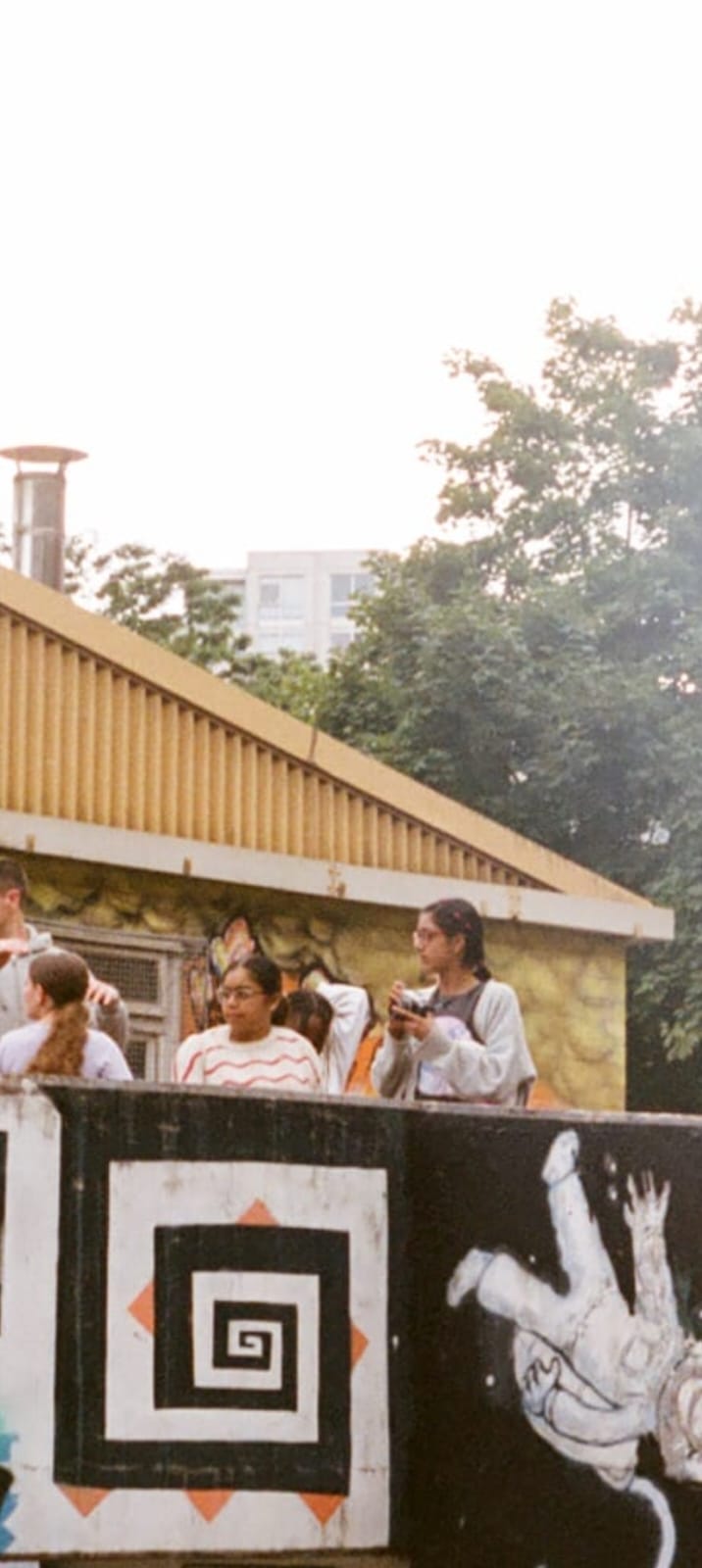
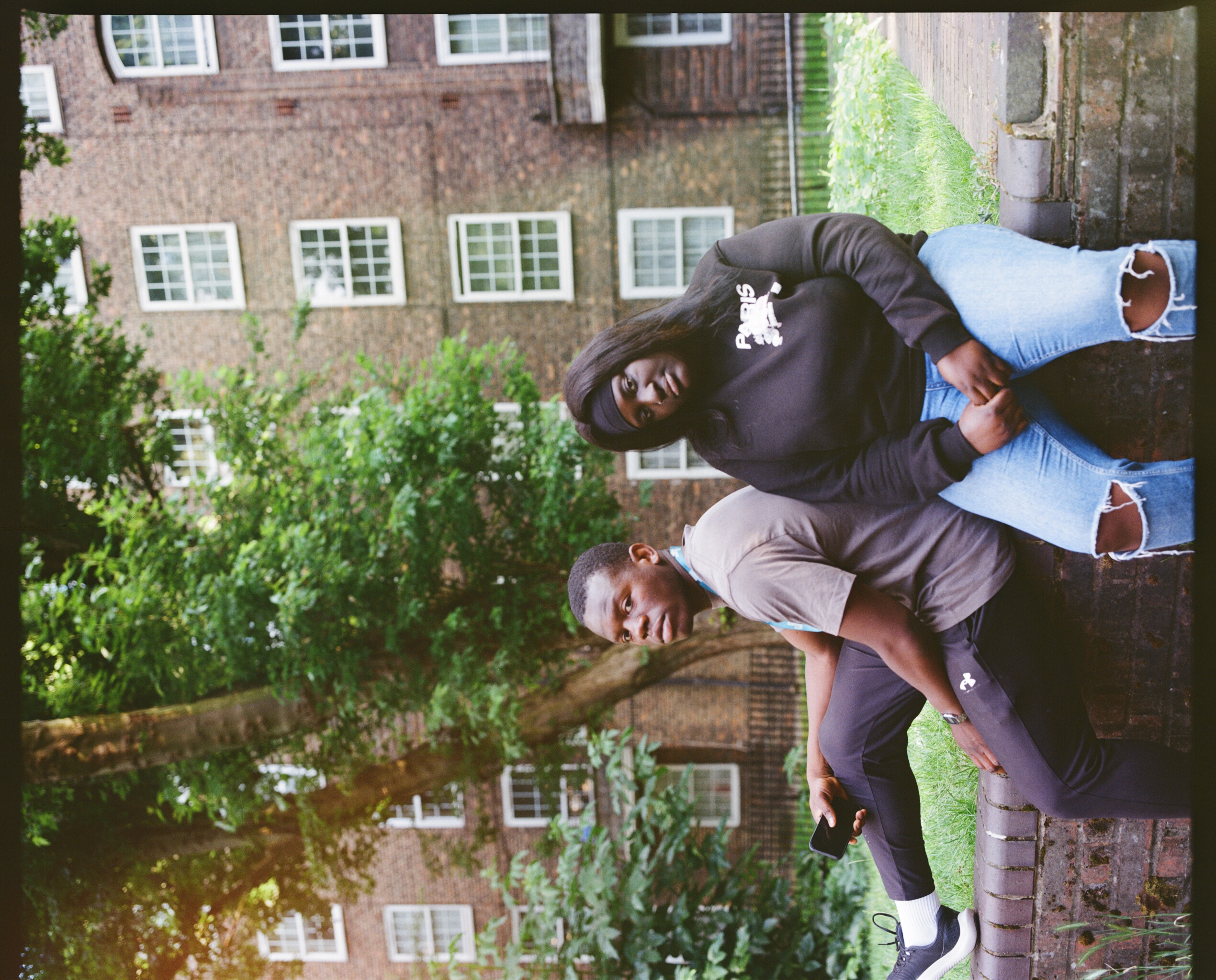
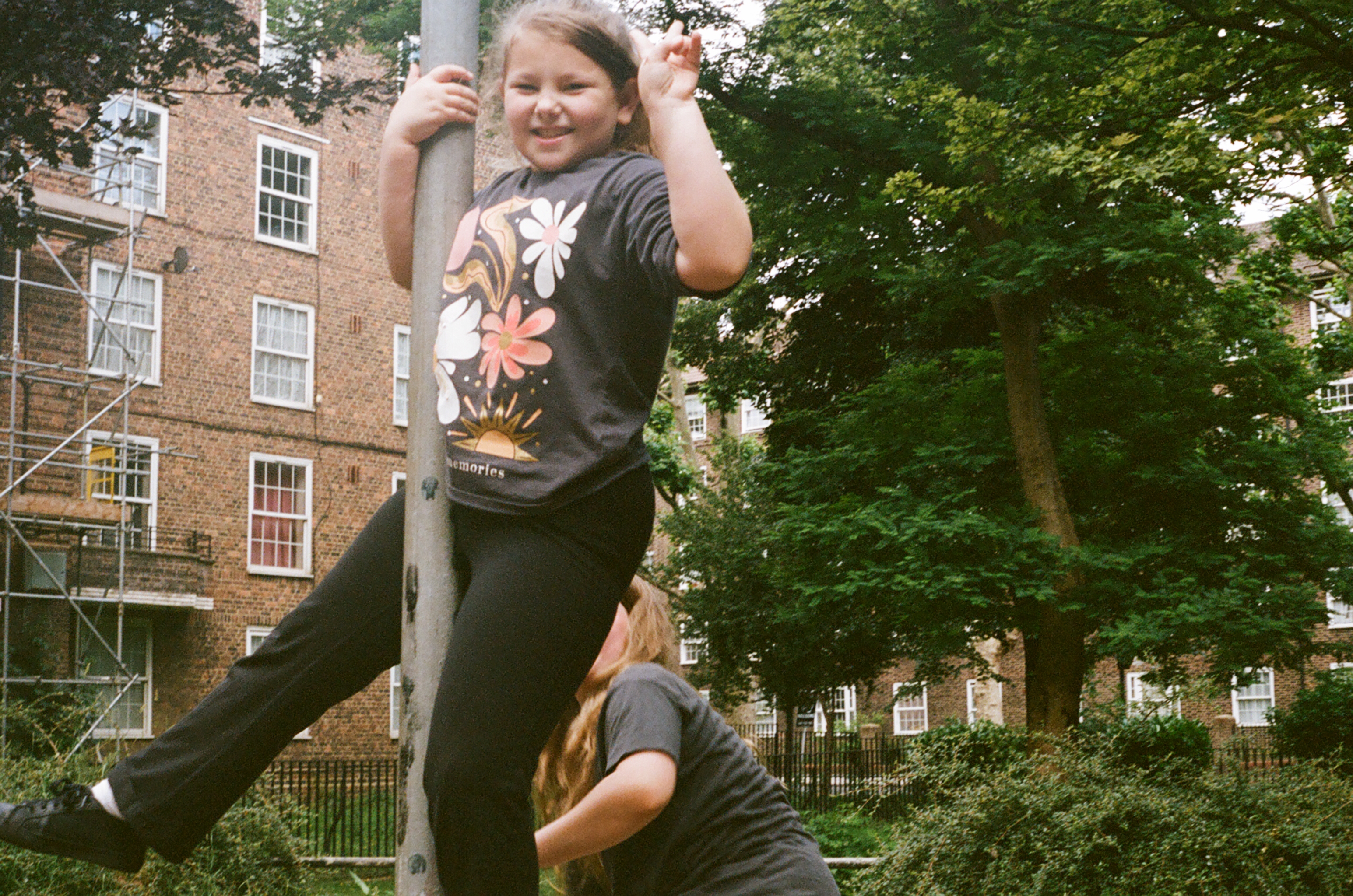
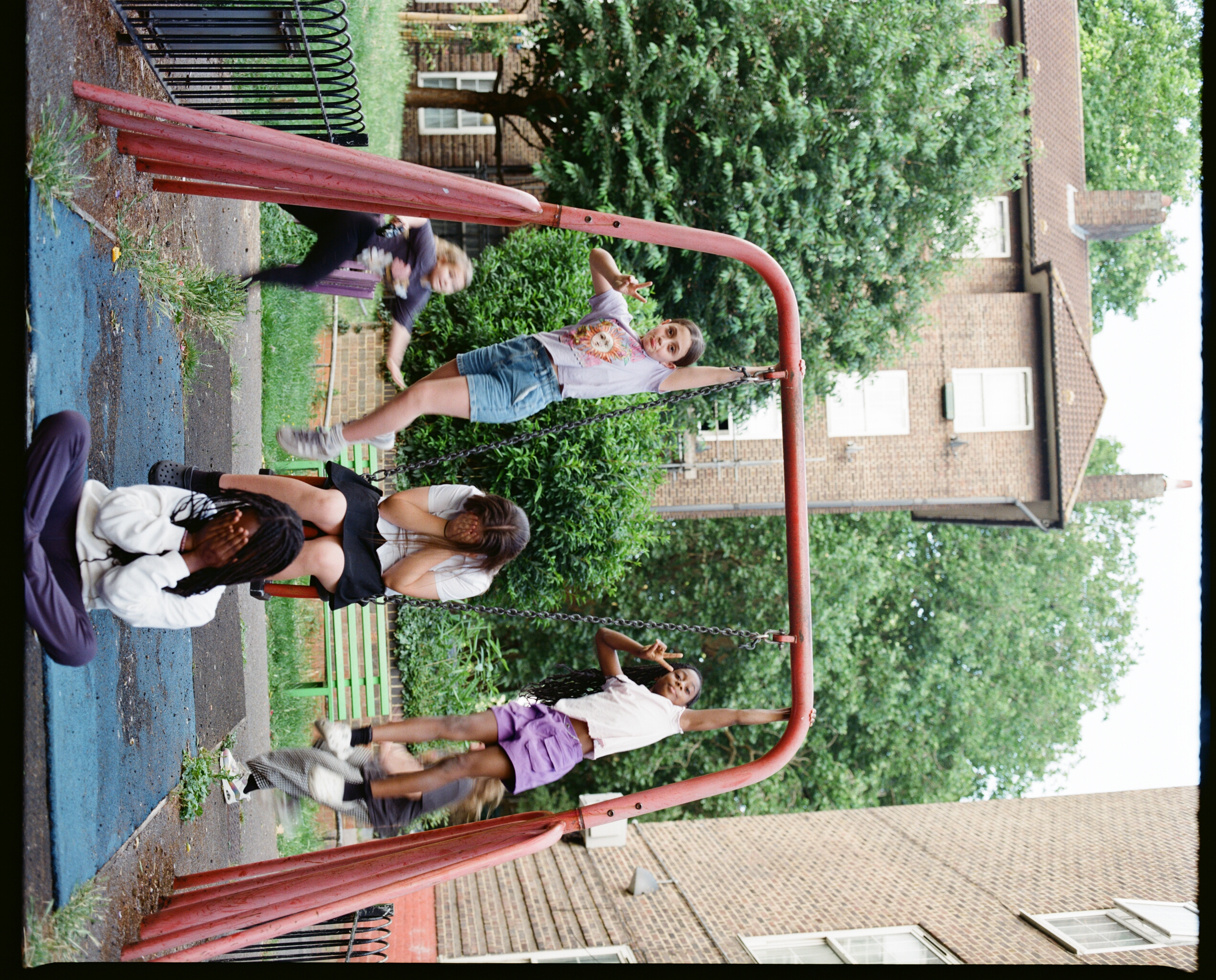
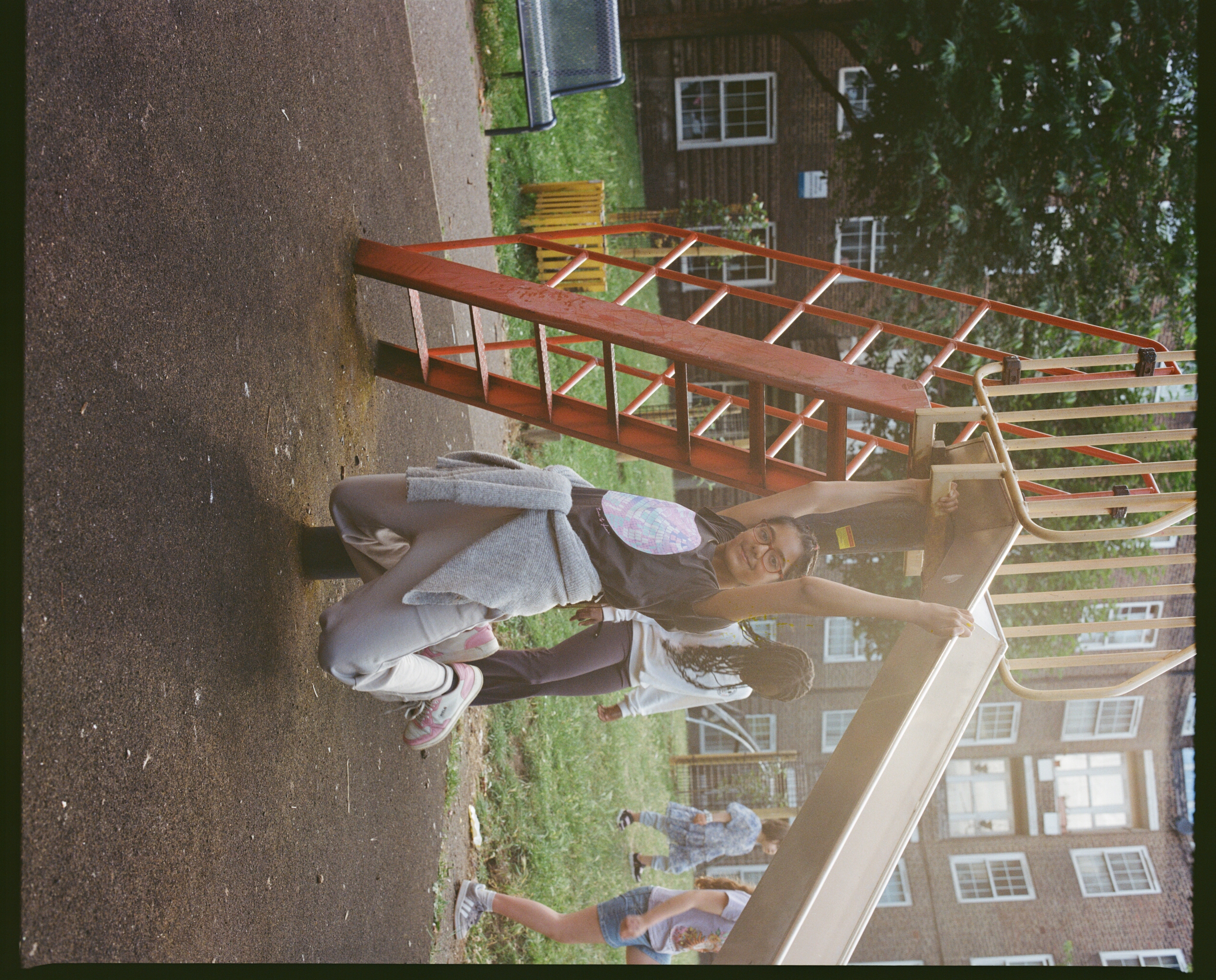
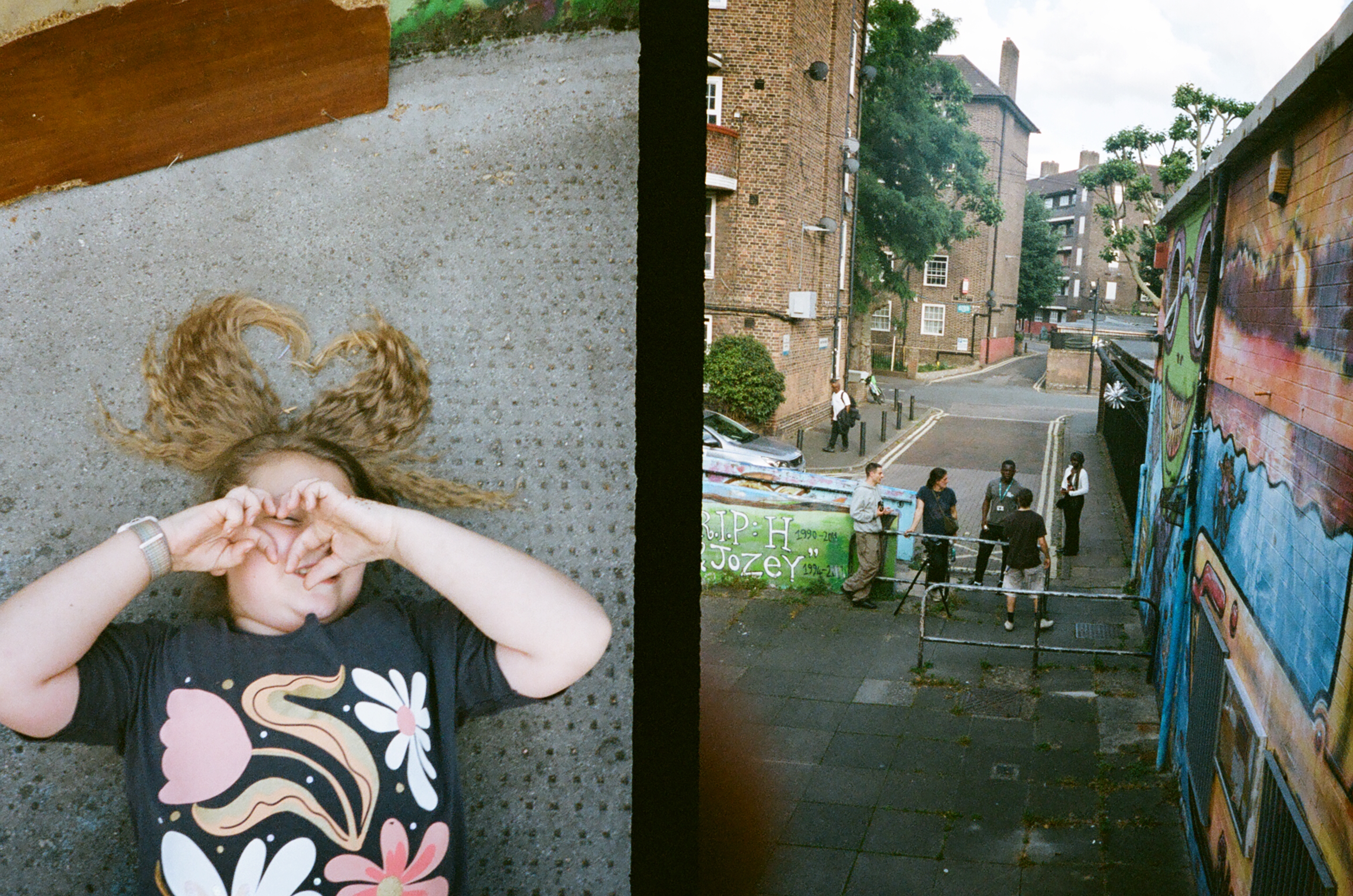
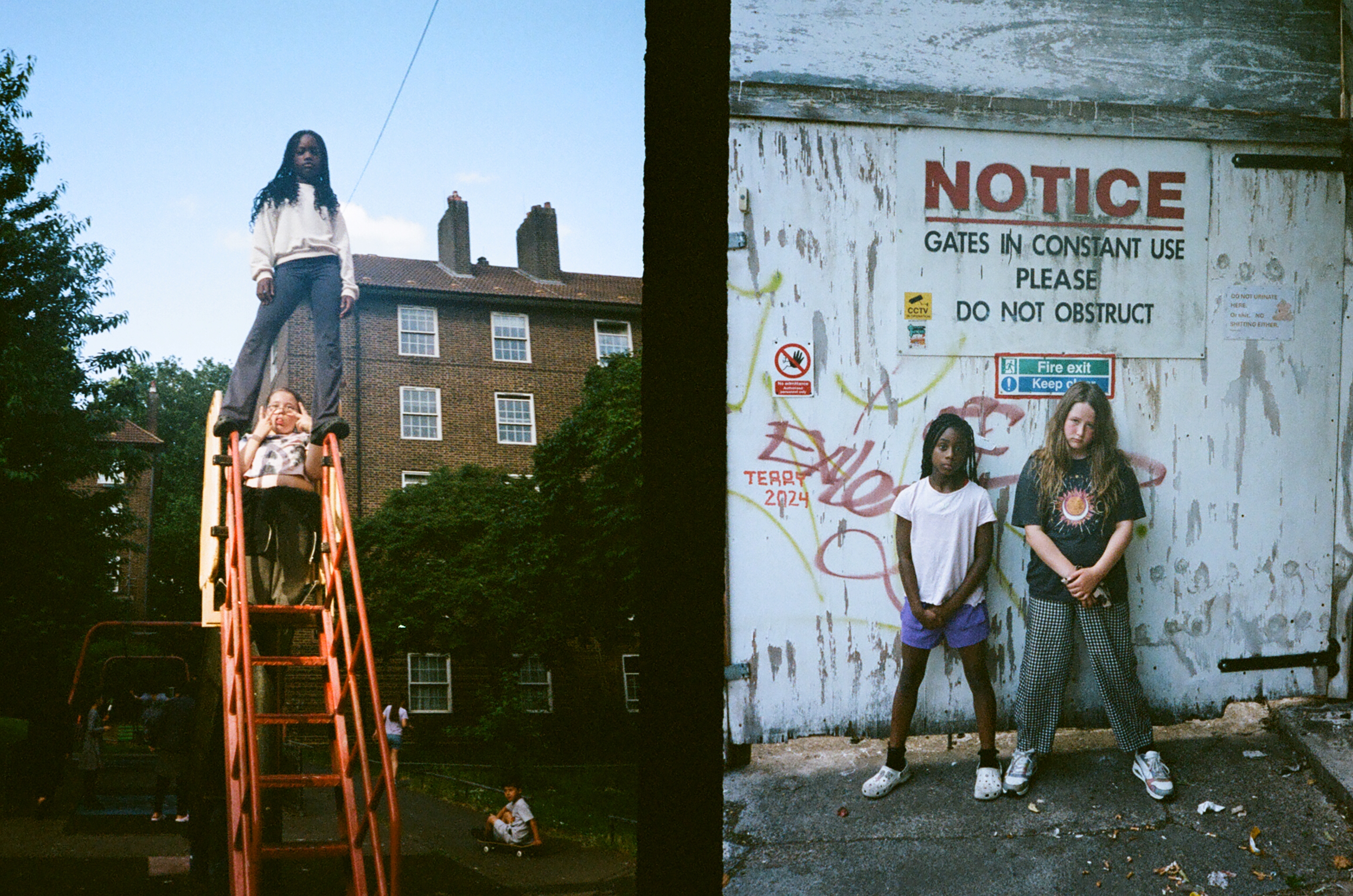
As part of the RockiFest celebration in 2025 the TRA in collaboration with Active Communities Network and Different Gravy oversaw a youth photography project in order to get the younger residents perspective of the Rockingham Estate.














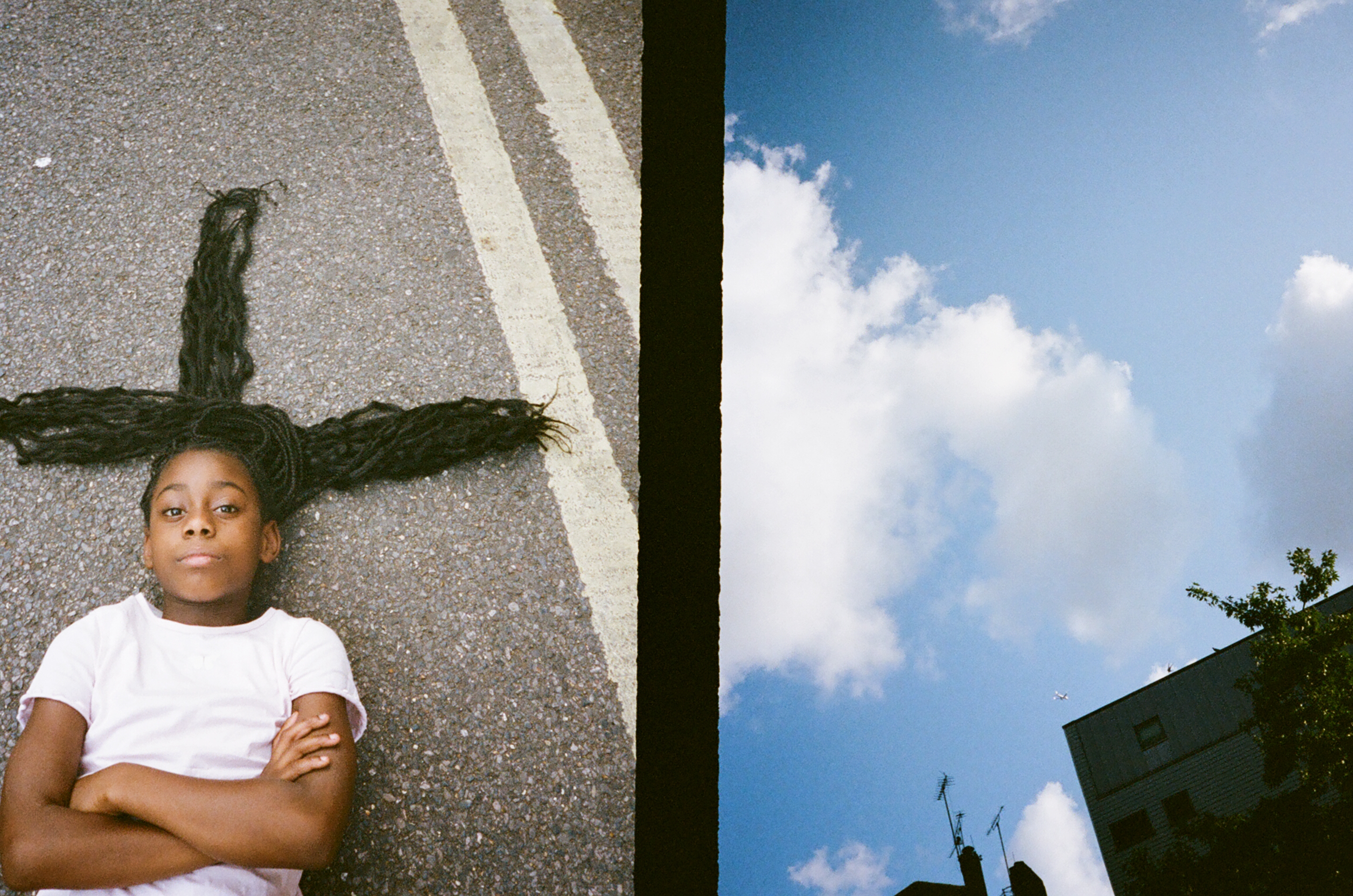


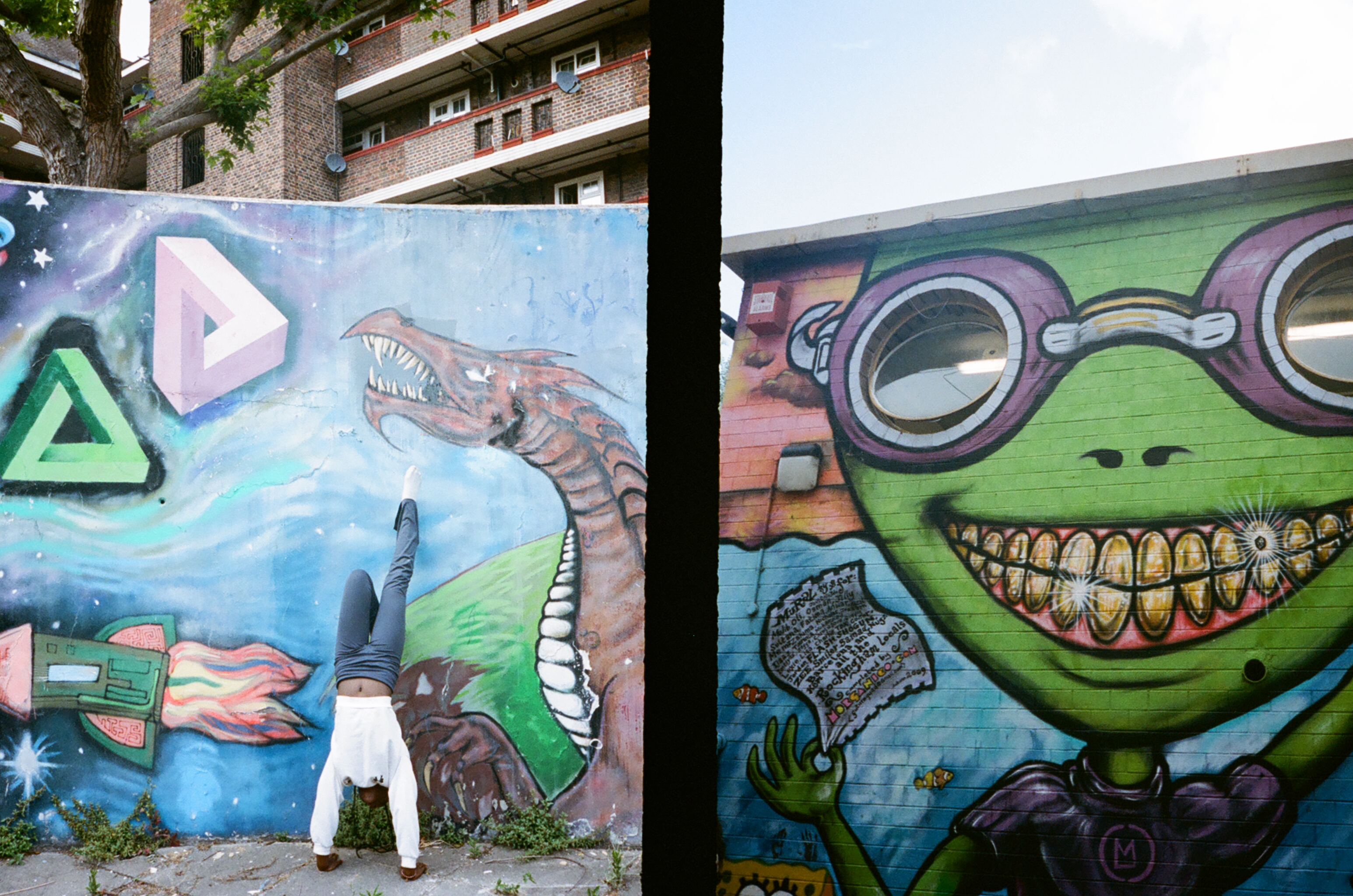


Find our recent oral history project at: https://youtu.be/rKnMCRGUOmY kindly made possible by the Resident Health and Wellbeing funding from Southwark Council.
In celebration of the Rockingham Estate’s 90th anniversary, residents and former residents came together in 2024/25 to share their memories and reflections on how the estate has changed over time. Their recorded stories have been paired with a collection of photographs showcasing the estate and some of the people who have lived here, through the years.
ROCKINGHAM COMMUNITY CENTRE
ROCKINGHAM COMMUNITY CENTRE